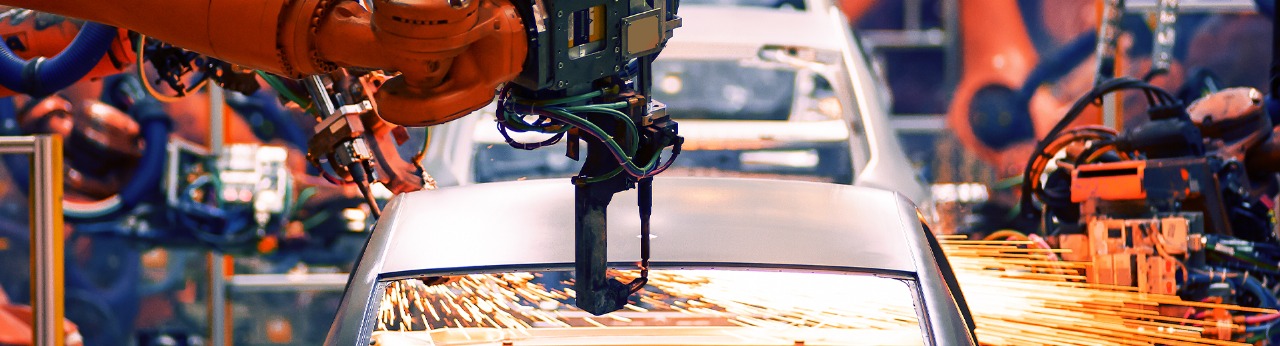
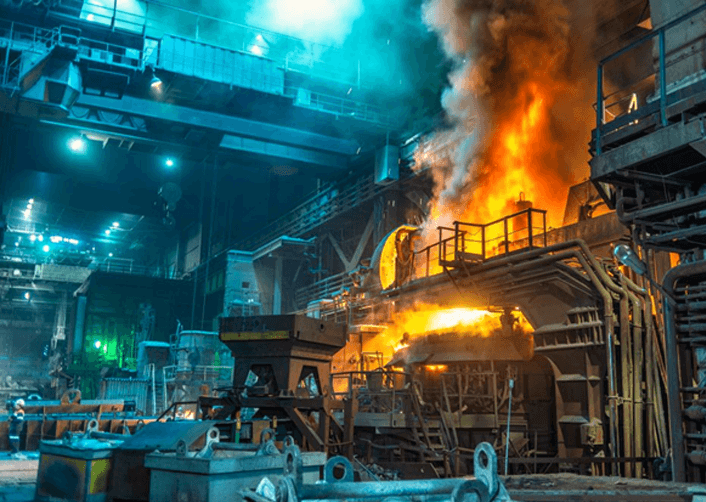
Maximum profitability in recycling and production facilities usually means ensuring that the conveyor belts never stop running. So it’s all the more important for industrial and trade operations to prevent the stoppage time and downtime that can result from a false fire alarm. As such, fire prevention in such organizations is about detecting fires in their early incipient stages while avoiding false alarms. To achieve this, fire protection technology must be able to distinguish among dust, fumes, production-related interference variables and actual fires reliably
If you work in an industrial environment, you may be aware that your facility faces some unique fire hazards. The industrial marketplace involves some of the most dangerous, high-risk operations in the world — not to mention some of the most expensive assets to replace.
All of this goes without saying that it’s important to sufficiently protect your facility from those fire hazards. But where do you start? We’ll look at some basic fire protection tips for industrial buildings below.
The most Common hazards as documented by NFPA are ignition sources including:
- Incendiarism/Intentional Fires: Industries are prone to incendiary activities because they frequently constitute an enticing target for individuals looking to cause significant damage and disturbance.
- Cutting or welding operations involving open flames or molten metals
- Failure of electrical equipment
- Combustible liquids/Flammable Materials
- Ignition from materials-handling equipment
- Flammable materials being carried on a conveyor
- Friction caused by a conveyor belt
- Other high-heat applications like pasteurization or kiln processing