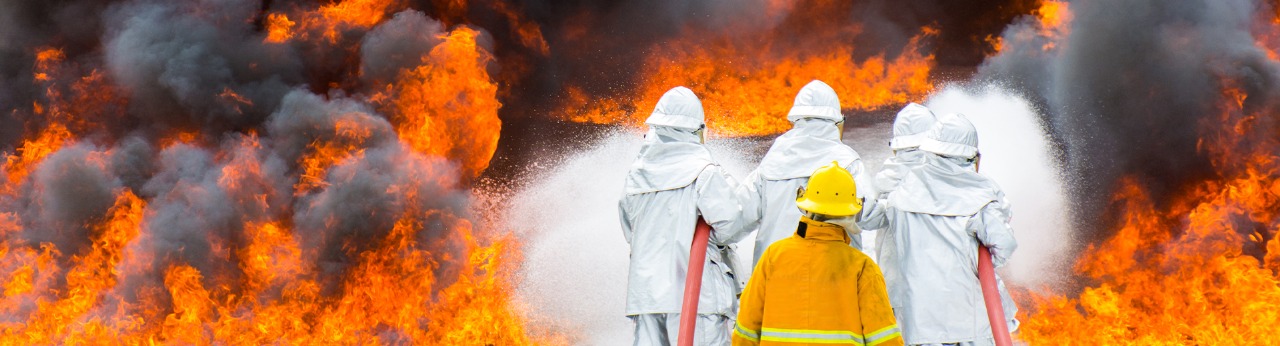
Warehouse fires are not uncommon. NFPA research shows that warehouse fires happen at a regular rate of every 22 hours with an average of 1,410 warehouse fires, two deaths, 20 injuries, and an estimated $159.4 million in direct property damage annually. The study further determined that warehouse and storage fires accounted for only 14 percent of all recorded fires, but they caused approximately 40 percent of the total fire damage.
With more and more businesses looking for storage space to meet online shopping and shipping demand, warehouse fire safety is at the forefront these days, or should be. Due to the nature, quantity, and arrangement of inventory in warehouse and storage facilities, intense fires can develop rapidly. Understanding the hazards that could injure people, damage facilities, interrupt business operations, contaminate the environment, or injure the brand, image, or reputation of the organization is a prerequisite for further planning. Fire prevention takes on particular importance within the storage and logistics sector, and needs to play an important role right from the planning stages.
Fire risks and causes of fire in warehouses
A thorough risk assessment should begin with the identification of hazards; quantification of their probability of occurrence; and estimation of their potential impact on people, property, the environment, and the organization itself.
The most common hazards as documented by NFPA are ignition sources including:
- Incendiarism/Intentional Fires: Storage facilities are prone to incendiary activities because they frequently constitute an enticing target for individuals looking to cause significant damage and disturbance.
- Hot work operations
- Failure of electrical equipment
- Careless disposal of smoking materials
- Combustible liquids/Flammable Materials
- Ignition from materials-handling equipment.