
Data Center Fire Protection Standards

NFPA 75 (the Standard for the Fire Protection of Information Technology Equipment) is the minimum requirement for data centers to pass national building code requirements and avoid penalties. NFPA 75 calls for:

  • Fire sprinkler systems. We’ll talk about data center fire sprinkler system options more in-depth a little later on, but you can learn more about the differences between the three types of sprinkler systems here.
  • The standard requires that fire protection sprinklers cover all areas of contained aisles to reduce the risk of a fire hazard.
  • NFPA 75 also requires an established evacuation plan
  • Functioning smoke detection systems
  • Flame-resistant equipment

NFPA 76 (the Standard for the Fire Protection of Telecommunications Facilities) provides similar standards for fire protection of telecommunication companies providing data, telephone, wireless, internet transmission, and video services to the public.

Three Levels of Data Center Fire Protection

Given the numerous fire hazards associated with data centers, fire protection is necessary at three different levels — the building level, the room level, and the rack level. Let’s take a closer look at the three levels of data center fire protection.

First Level: Building Level Fire Protection

The first level of data center fire protection is the building level. This level of fire protection is focused on keeping the building, and any people in it, safe. Methods used to achieve building-level fire protection in data centers include:

  • Fire sprinkler systems
  • Handheld extinguishers — at least one handheld fire extinguisher for every 3,000 square feet
  • Passive fire protection — the installation of fire-rated floor assemblies and firewalls that passively work to delay the spread of fire throughout the building.

Second Level: Room/Hazard Level Fire Protection

This second level of data center fire protection is where NFPA’s standards begin to apply. As mentioned earlier, NFPA standards require sprinkler systems to protect data centers. Here’s a quick breakdown of the fire sprinkler systems available to data centers:

Fire Detection System:

Room-level data center fire protection also includes fire detection systems. Data centers benefit from Very Early and Early Warning Fire Detection (VESDA) systems, as these, can actuate fire suppression systems at the earliest sign of a fire, minimizing any damage sustained in the data center.

The highly sensitive air sampling smoke detector provided by PEREGRINE draws in air from the protected space and analyzes it for smoke particles. The fact that air is mechanically transported to the sensor permits filters to remove most dust particles, a common source of false alarms for ordinary non aspirating smoke detectors. Air sampling type smoke detectors utilize the photoelectric light-scattering principle, enhanced by various means to give it the capability for very high sensitivity.

Peregrine Provides a complete range of models for Air Sampling Smoke Detectors (ASD) with monitoring areas ranging from 720m² to 5760 m² and a Large adjustable sensitivity range from 0.002 to 10 %/m. These Detectors are immune to environmental contaminants such as dust, dirt, moisture, and steam. ASD is among the most precise and most reliable early warning systems against fires, providing lightning-fast detection of fires that is both scalable and cost-effective for any monitoring area.

Clean agent suppression systems. Clean agent suppression systems use an inert gas or clean agent to extinguish and suppress fires. The benefit of a system like this is that it will not damage the sensitive equipment housed in a data center. Learn more about the pros and cons of a clean agent suppression system for high-value and mission-critical applications.

Peregrine Clean Agents Fire Suppression Systems

  • Novec-1230/FK 5112 Fire Suppression System
  • FM-200 / HFC-227ea Fire Suppression System

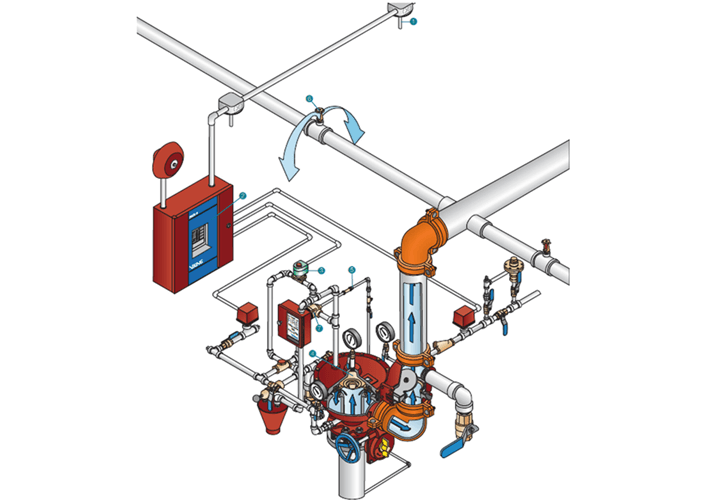
Pre-action fire sprinkler systems. Pre-action fire sprinkler systems also use water to extinguish a fire but require two points of fire detection before the sprinkler system will activate. This ensures your system is only activating when a fire hazard is real. The downside is that this system still uses water, which is damaging to electrical equipment.

Third Level: Rack/Electrical Cabinet Level Fire Protection

The third level of data center fire protection is concerned with protecting equipment on the rack-level. In data centers specifically, fire detection in the early stages can be difficult, as many electrical components are enclosed.

This means a fire can go undetected until it’s become a larger hazard. By implementing rack-level fire protection, data centers can extinguish fires at their earliest stages, minimizing the potential for a larger fire to spread.

Common fire protection methods at the rack level include pre-engineered and automatic fire suppression systems. These systems are installed within the equipment, where they can detect and suppress fires before they are sensed by the larger room or building level fire suppression system. This works to minimize any damage sustained to sensitive equipment within a data center.

There is a lot that goes into acceptable data center fire protection. From three levels of fire protection to choosing a fire suppression system that protects your assets as well as it suppresses any fire hazards, there’s a lot to consider.

Why Peregrine?

As experienced systems engineers, WAGNER specializes in planning and designing fire prevention systems for warehouses and logistics centers. The company numbers among the global technology leaders in the fire prevention sector.

Not convinced yet? Find out more! Feel free to contact us here